
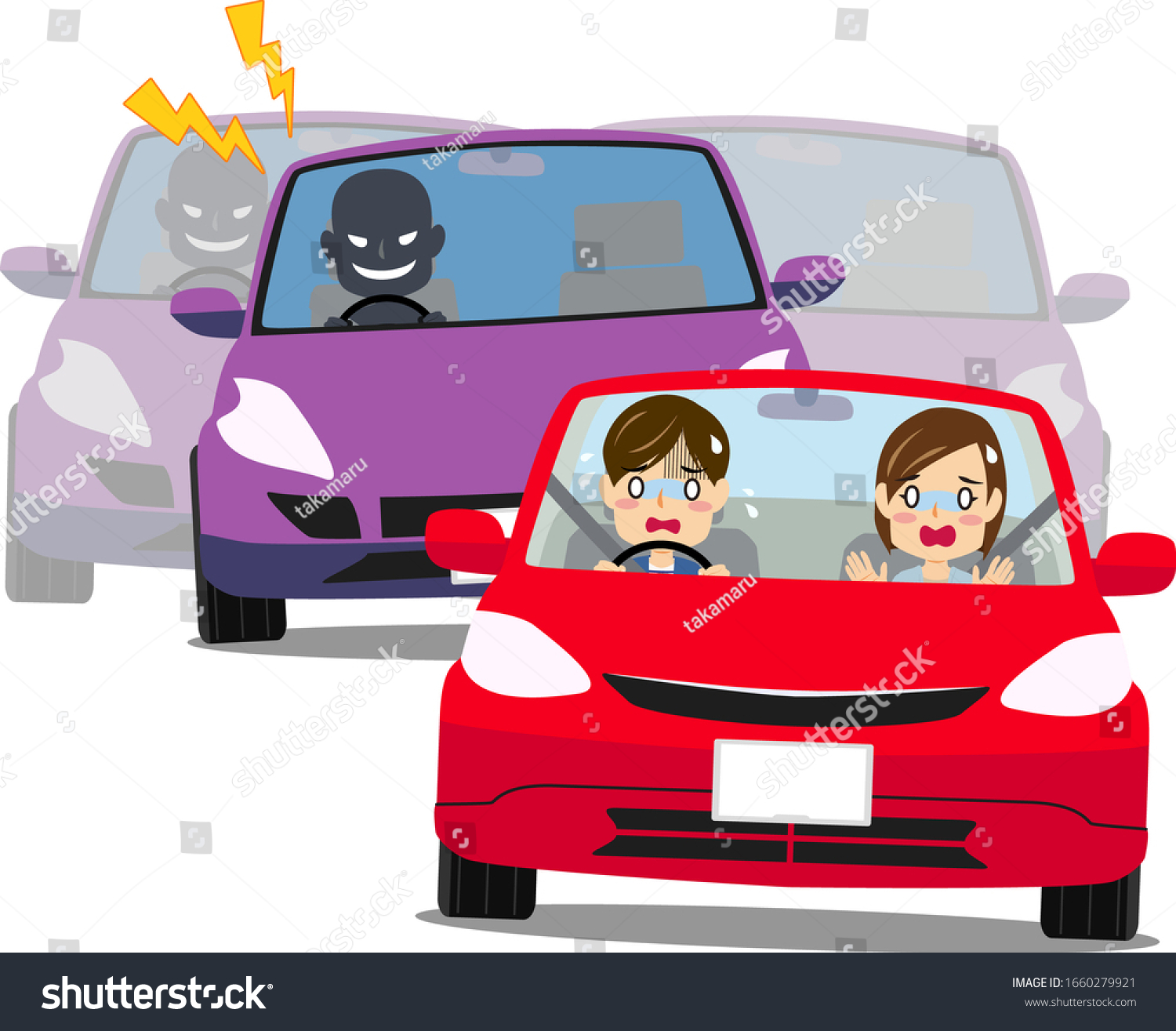
What to Do If Someone Is Following You by Car or on Foot
In an increasingly unpredictable world, personal safety has become more important than ever. While most daily routines are harmless, there may be situations where we feel that someone is watching or following us—either by car or on foot. This experience can be frightening and disorienting. However, it is important to understand that how we respond in these moments can significantly affect the outcome. Whether you are walking through your neighborhood or driving home from school or work, knowing how to react calmly, wisely, and effectively can keep you safe. This essay will explore what steps to take if you ever suspect that someone is following you, emphasizing situational awareness, avoiding unnecessary risks, and seeking help when needed.
Remain Calm and Stay Alert
The first and most critical step is to remain calm. Fear is a natural reaction to danger, but panicking often leads to poor decision-making. Instead, focus on staying alert and aware of your surroundings. Pay attention to details—what the person looks like, what kind of car they are driving, how long they’ve been near you. These observations are not only useful to determine whether someone is genuinely following you, but they could also be valuable if you need to report the incident to the authorities.
If you are driving and think someone might be tailing you, change your route slightly. Make a series of turns—especially right turns or loops through neighborhoods or business areas. If the car continues to follow you after three or more turns, it is likely not a coincidence. If you’re walking, try changing direction, crossing the street, or stopping briefly in a public place to see if the person continues to shadow your movements. Do not be afraid to trust your instincts. If something feels wrong, it probably is.
Avoid Isolated Areas and DO NOT GO HOME
A natural response when feeling threatened is to go home. After all, home represents safety and familiarity. However, in this type of situation, heading straight to your house or apartment is the wrong decision. If someone truly is following you, leading them to your home only gives them access to your personal information and location, which could put you in danger long after the immediate threat is gone.
Instead, head toward a public, well-lit area with people around—such as a coffee shop, gas station, grocery store, or police station. If you’re driving, do not pull over or get out of your car. Instead, keep moving toward a place where you can safely stop with others nearby. If you’re on foot, enter a public space and ask for help. Many businesses have cameras and phones you can use, and employees are often trained in how to respond to emergencies.
Call for Help Immediately
If you feel unsafe at any point, don’t hesitate to call 911 or your local emergency number. Provide the dispatcher with your current location, a description of the person or vehicle following you, and any identifying details—such as license plate numbers, physical features, or direction of travel. If you’re in a moving vehicle, explain your route and let them know you’re heading to a public location or police station. Even if you’re not completely certain that someone is following you, it’s better to be safe than sorry. Emergency services would rather investigate a false alarm than arrive too late to help.
If you’re unable to speak freely, try to text a trusted friend or family member and share your location. Some phones also have emergency SOS features that can notify authorities or contacts with your exact GPS location at the touch of a button.
Do Not Engage or Confront the Follower
No matter how tempted you may feel, do not try to confront the person you suspect is following you. Even if you are angry or afraid, confronting someone can quickly escalate the situation and put you in greater danger. You do not know who the person is, what their intentions are, or whether they are carrying a weapon. Your goal is to remove yourself from the situation safely, not to solve it on your own.
It is also important not to rely solely on recording the person with your phone. While video evidence can be helpful, it should never replace taking real-time actions to protect yourself. If possible, discreetly note important details while you move to safety, but do not delay taking action in favor of recording.
Take Preventive Measures
While you can’t control other people’s behavior, you can reduce your vulnerability by staying prepared. Always let someone know where you’re going, especially if you’re heading out alone. Share your location with a family member or trusted friend using your smartphone. Avoid wearing headphones at full volume while walking alone, as this reduces your awareness. If you drive regularly, learn safe routes and locate nearby police stations or 24-hour businesses along your path. Carry a safety device such as a whistle, flashlight, or personal alarm, and learn how to use it.
For women, teens, or those who feel particularly at risk, consider taking a basic self-defense class. Knowing how to defend yourself physically, even in simple ways, can give you more confidence and options in an emergency.
Conclusion
Feeling followed is a terrifying experience that no one wants to face—but being prepared for that possibility can make a critical difference. If you think someone is following you by car or on foot, stay calm, stay aware, and avoid isolated or private locations. Head to a public space, contact the authorities, and never hesitate to ask for help. Most importantly, trust your instincts. Your safety is more important than being polite or worried about overreacting. In dangerous situations, acting quickly, wisely, and confidently can save your life.
No Responses