
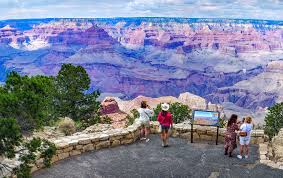
The Grand Canyon National Park: A Natural Wonder of the World
The Grand Canyon National Park, located in the state of Arizona, is one of the most iconic natural wonders in the world. Carved by the Colorado River over millions of years, this breathtaking landscape is a testament to the power of natural forces and a living record of Earth’s geological history. Spanning over 277 miles in length, up to 18 miles in width, and over a mile deep, the Grand Canyon offers a visual spectacle that continues to captivate visitors from all corners of the globe. Recognized as a UNESCO World Heritage Site, the Grand Canyon is not only a treasure of natural beauty but also a symbol of the geological and cultural richness of the American Southwest.
The Geological History of the Grand Canyon
The Grand Canyon is often referred to as a “geological wonder,” and for good reason. The rock layers that make up the canyon walls tell the story of Earth’s ancient past, stretching back over 2 billion years. These layers of sedimentary rock, including limestone, sandstone, and shale, were deposited in a variety of environments, from ancient seas and deserts to vast floodplains. Over time, these layers were uplifted, and the Colorado River began its long journey of carving the canyon, creating the dramatic landscapes we see today.
The process that created the Grand Canyon is one of continuous change, driven by the combined forces of erosion, weathering, and geological movement. The Colorado River, which continues to flow through the canyon, played a central role in eroding the rock, cutting through the layers over millions of years. This ongoing erosion has exposed a breathtaking array of geological formations, including striking cliffs, mesas, and buttes, as well as numerous caves and rock shelters.
One of the most significant features of the Grand Canyon is its geological “stratigraphy”—the layers of rock that provide clues to the different eras in Earth’s history. The oldest rocks in the canyon, found at the bottom, are called the Vishnu Schist and date back about 1.7 billion years. These rocks are considered some of the oldest exposed rocks on the planet. The more recent layers above, such as the Redwall Limestone and the Kaibab Limestone, were deposited much later and provide a record of more recent geological processes, including the rise and fall of ancient seas and the formation of deserts.
The Cultural Significance of the Grand Canyon
While the Grand Canyon is primarily known for its geological wonders, it also holds deep cultural and spiritual significance for the Native American tribes that have lived in and around the canyon for thousands of years. Indigenous peoples, including the Havasupai, Hopi, Zuni, Navajo, and Hualapai, have long considered the Grand Canyon a sacred place. It features prominently in their creation stories, and many of these tribes believe the canyon is a place of great spiritual power.
The Havasupai tribe, for example, has lived in the Grand Canyon for over 800 years. Their ancestors established villages along the canyon’s tributary streams, particularly the Havasu Creek, where the stunning Havasu Falls remains a spiritual and cultural landmark. To this day, the Havasupai maintain a deep connection to the canyon, both as a place of sustenance and as a center for spiritual and cultural practices.
The Grand Canyon has also played a significant role in the history of exploration and conservation. The first European to view the canyon was Spanish explorer García López de Cárdenas in 1540. However, it wasn’t until the late 19th century, when John Wesley Powell led the first scientific expedition down the Colorado River, that the canyon began to be studied in depth. Powell’s journey, though fraught with danger, provided crucial data that helped scientists understand the geological processes that shaped the canyon.
The Grand Canyon was officially designated a national park on February 26, 1919, ensuring its protection for future generations. Since then, the park has become a major symbol of conservation and environmental protection in the United States.
The Natural Beauty and Biodiversity of the Grand Canyon
The Grand Canyon is famous not only for its geological features but also for its unparalleled natural beauty. From the vibrant colors of the canyon walls to the sweeping views that stretch for miles, the park offers visitors a chance to witness some of the most awe-inspiring landscapes in the world. The interplay of light and shadow as the sun rises and sets over the canyon adds to the drama and beauty, creating a constantly changing tableau of colors and textures.
The Grand Canyon’s diverse ecosystems, which range from desert to forest, also support a wide variety of wildlife. The park is home to over 500 species of animals, including bighorn sheep, mountain lions, mule deer, and a variety of birds, such as peregrine falcons, California condors, and the iconic American bald eagle. The Colorado River that flows through the canyon provides habitat for numerous aquatic species, including native fish like the Humpback Chub.
The park’s flora is equally diverse, with over 1,500 species of plants, ranging from cacti and desert shrubs in the lower elevations to ponderosa pine forests at higher altitudes. The distinct plant communities found at different elevations and locations within the park are another testament to the variety of ecosystems that exist in the Grand Canyon.
Recreational Activities at the Grand Canyon
In addition to its geological and cultural significance, the Grand Canyon offers a wealth of recreational opportunities for visitors. Whether you’re seeking a leisurely visit or an adrenaline-pumping adventure, the park has something to offer everyone.
One of the most popular activities in the Grand Canyon is hiking. The park boasts an extensive network of trails, ranging from easy walks along the rim to challenging treks down into the canyon. The South Kaibab Trail and Bright Angel Trail are two of the most famous routes, offering stunning views and the chance to experience the canyon’s geological features up close. For those looking to descend into the canyon’s depths, the hike to the Colorado River is an unforgettable experience, though it requires physical stamina and preparation due to the extreme temperatures and difficult terrain.
For those with an interest in water sports, rafting on the Colorado River is a thrilling way to explore the canyon. Rafting trips can range from a few days to several weeks, and they provide a unique perspective of the canyon’s towering cliffs and winding river. Many rafting trips also include stops to explore hidden caves, waterfalls, and other features that are inaccessible by foot.
For a more relaxed experience, visitors can take in the canyon’s beauty from one of its many scenic viewpoints, such as Mather Point, Yavapai Point, or Hopi Point, all of which offer panoramic views of the canyon’s vast expanse. The Grand Canyon Railway, which departs from Williams, Arizona, provides a nostalgic train ride to the South Rim, offering another unique way to experience the park’s beauty.
Conclusion: A Timeless Wonder
The Grand Canyon National Park is more than just a geological marvel—it is a place of cultural significance, ecological diversity, and natural beauty. Its vast landscapes and rich history inspire awe in all who visit. The park serves as a reminder of the Earth’s long and complex history, a tribute to the forces of nature, and a symbol of the importance of preserving natural wonders for future generations.
As one of the most visited national parks in the United States, the Grand Canyon continues to captivate millions of visitors every year, drawing them into its ancient landscape. Whether one is hiking its trails, rafting its river, or simply gazing at its vastness, the Grand Canyon offers a transformative experience that connects people to the earth’s natural heritage and to the enduring power of nature itself.
2 Responses
very tromendous
Thank you