
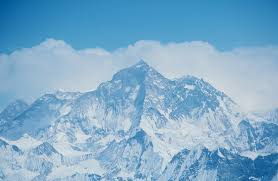
Mount Everest, standing tall at 8,848.86 meters (29,031.7 feet), is the highest mountain on Earth and one of the most iconic natural wonders in the world. Located in the Himalayas on the border between Nepal and the Tibet Autonomous Region of China, Everest has long captured the imagination of adventurers, scientists, and nature lovers alike. Known as “Sagarmatha” in Nepali and “Chomolungma” in Tibetan, the mountain holds deep cultural, spiritual, and scientific significance.
The Geography and Formation
Mount Everest is part of the Himalayan mountain range, which was formed tens of millions of years ago when the Indian tectonic plate collided with the Eurasian plate. This collision pushed up the Earth’s crust, creating the towering peaks of the Himalayas. Everest continues to rise slightly each year due to tectonic activity.
The mountain is flanked by several major glaciers and is surrounded by a range of formidable peaks. Its snow-covered slopes and ice fields present some of the harshest conditions on the planet, including sub-zero temperatures, high winds, and dangerously thin air at high altitudes.
Human Exploration and Climbing History
The allure of conquering Everest has drawn climbers from around the world since the early 20th century. The first successful ascent was achieved on May 29, 1953, by Sir Edmund Hillary of New Zealand and Tenzing Norgay, a Sherpa of Nepal. Their achievement became a symbol of human endurance and international cooperation.
Since then, thousands have attempted the climb, with varying degrees of success. While modern equipment, better weather forecasting, and guided expeditions have made the summit more accessible, Everest remains a perilous challenge. Altitude sickness, avalanches, icefalls, and sudden storms are constant dangers. Tragically, over 300 climbers have lost their lives on Everest, and many of their bodies remain on the mountain due to the difficulty of recovery efforts.
Environmental and Ethical Concerns
The popularity of Everest has led to significant environmental degradation. The mountain has been dubbed “the world’s highest garbage dump” due to the accumulation of waste from climbers. Discarded oxygen canisters, tents, food wrappers, and even human waste pose serious ecological risks. In response, both Nepal and China have introduced regulations and cleanup efforts, including mandatory waste removal by climbers.
Additionally, the commercialization of Everest has raised ethical questions. Wealthy clients often pay large sums for guided ascents, sometimes with minimal climbing experience. This has put local Sherpa guides at greater risk, as they often bear the brunt of the physical labor and danger.
Cultural and Spiritual Significance
For the people of Nepal and Tibet, Everest is more than just a mountain. It is a sacred place. In Tibetan Buddhism, Chomolungma is believed to be the home of a goddess. Climbers often participate in traditional rituals and seek blessings before beginning their ascent, acknowledging the mountain’s spiritual importance.
Conclusion
Mount Everest remains a symbol of human ambition, endurance, and the unrelenting desire to reach new heights. It challenges those who dare to climb it, offering both awe-inspiring beauty and deadly peril. As global interest continues, it is crucial to approach Everest with respect—for its environment, its people, and its profound natural power. Only then can we preserve the legacy of the world’s highest peak for future generations.
One Response
I hope you like it.