
Staying Safe During Hurricanes and Tornadoes: What to Do and What Not to Do
Natural disasters such as hurricanes and tornadoes are among the most powerful and destructive forces on Earth. These extreme weather events can strike with little warning, leaving behind massive destruction, injuries, and even loss of life. Each year, hurricanes and tornadoes cause billions of dollars in damage and affect thousands of lives across the globe, especially in vulnerable areas like coastal regions and the central United States. Knowing what to do and what not to do during these events is not just helpful—it is essential for survival.
This essay will explore the best safety practices during hurricanes and tornadoes, the common mistakes that can increase risk, and the importance of education and preparedness in facing these natural threats.
Understanding Hurricanes and Tornadoes
A hurricane is a large and powerful tropical storm that forms over warm ocean waters. It can bring extremely strong winds, heavy rainfall, flooding, and storm surges. Hurricanes usually develop over days or even weeks, giving people some time to prepare.
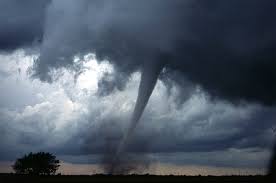
A tornado, on the other hand, is a violent column of rotating air that forms during severe thunderstorms. Unlike hurricanes, tornadoes form quickly and last for only a few minutes—but their power can be even more intense in a concentrated area. A tornado can destroy entire buildings, lift vehicles, and tear trees from the ground in seconds.
Though these disasters are different in their formation and duration, the key to surviving both is preparation, quick action, and avoiding common mistakes.
✅ What to Do During a Hurricane
Pay Attention to Warnings:
Always listen to weather alerts from official sources like the National Weather Service or local authorities. If an evacuation is ordered, leave immediately. Do not wait.Prepare an Emergency Kit:
Your kit should include bottled water, non-perishable food, a flashlight, batteries, a first-aid kit, medicines, important documents, and a phone charger or power bank.Secure Your Home:
Board up windows, bring outdoor furniture inside, and secure anything that can blow away. Turn off gas and electricity if instructed.Stay Indoors and Away from Windows:
The safest place during a hurricane is in a small, windowless room on the lowest floor of a sturdy building.Keep In Touch:
Make sure friends or family know where you are. Use text or social media if phone lines are busy.Wait for the All-Clear:
Sometimes, the eye of the hurricane brings calm weather, but the storm will resume. Do not go outside until officials say it is safe.
❌ What Not to Do During a Hurricane
Don’t Ignore Evacuation Orders:
Staying behind when officials ask you to evacuate puts you and emergency responders at risk.Don’t Go Outside During the Storm:
Flying debris and high winds can be deadly. Stay inside even if the storm seems to be weakening.Don’t Use Candles:
If the power goes out, use flashlights. Candles can start fires, especially during high winds.Don’t Drive Through Flooded Roads:
Water may be deeper than it looks, and only a few inches of moving water can sweep a car away.Don’t Use Elevators:
Power outages could trap you inside. Use stairs if you need to move between floors.
✅ What to Do During a Tornado
Know the Signs:
Tornadoes can form quickly, but signs include dark, greenish skies, a loud roaring sound (like a freight train), and a funnel-shaped cloud.Take Shelter Immediately:
Go to a basement, storm cellar, or a small windowless interior room on the lowest floor. If you are in a mobile home or outside, find a nearby building or storm shelter fast.Protect Yourself:
Get under something sturdy, like a heavy table or workbench. Cover your head and neck with your arms, or use a mattress or blanket to shield yourself from flying debris.Stay Informed:
Use a battery-powered weather radio or a mobile app to keep track of tornado warnings.Have a Tornado Emergency Plan:
Practice tornado drills at home, school, or work so you know what to do when time is short.
❌ What Not to Do During a Tornado
Don’t Stay in a Vehicle or Mobile Home:
These are the most dangerous places to be during a tornado. If you’re driving, get out and seek shelter in a low-lying ditch or building.Don’t Open Windows:
There is a myth that opening windows helps equalize pressure. In reality, it wastes time and can allow debris to enter.Don’t Wait Until the Last Minute:
Tornadoes form fast. If a warning is issued, take cover immediately. Don’t try to “see it” or record a video.Don’t Take Shelter Under a Bridge:
Wind speeds can actually be higher under bridges, and they do not protect you from flying debris.Don’t Panic:
Keep calm and follow your safety plan. Panic can cause confusion and lead to dangerous choices.
The Importance of Preparedness
Whether it’s a hurricane or a tornado, preparation is the key to survival. Schools, homes, and communities should have emergency plans in place. People should know where to go, what to bring, and how to stay informed. Emergency drills, public education, and access to safety information can reduce injuries and deaths during natural disasters.
Governments also play a crucial role. They must provide reliable weather warnings, maintain emergency shelters, and support vulnerable populations. In addition, improving building codes and infrastructure can help homes and communities better withstand storms.
Conclusion
Hurricanes and tornadoes are terrifying natural disasters, but with the right knowledge and preparation, we can stay safe. Knowing what to do—such as evacuating when told, seeking shelter, and protecting yourself—is just as important as knowing what not to do—such as ignoring warnings, driving through floodwaters, or staying in unsafe places. As natural disasters become more frequent and intense due to climate change, safety education is more important than ever. By being prepared and helping others do the same, we can save lives and reduce the damage caused by these powerful storms.
No Responses